
Mica minerals (all colors)
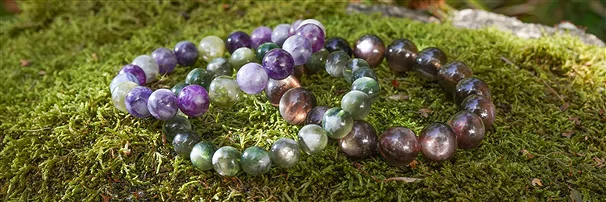
Mica is the name for a large group of phyllosilicates that are characterized by their perfect basal cleavability parallel to the layers: All minerals of the mica group can be cleaved very well into thin, elastic flakes. Thin sections show a pronounced play of colors, which is called scintillation.
The German ...
The German ...
Mica is the name for a large group of phyllosilicates that are characterized by their perfect basal cleavability parallel to the layers: All minerals of the mica group can be cleaved very well into thin, elastic flakes. Thin sections show a pronounced play of colors, which is called scintillation.
The German name "Glimmer" is derived from the shimmering, shiny surface of the minerals. In many other languages, e.g. English and French, mica is called "mica". The origin of this name is not completely clear. The origin is either the Latin "mica" (crumb) or "micare" (to sparkle, shimmer). The term "mica" has probably been used for the mica group since the beginning of the 18th century; originally these minerals were also called "smicka".
The term "isinglass" has been in use since the 16th century, derived from "ising" (ice). At this time, very thin layers of light-colored mica were used as panes in windows, lamps and lanterns.
"Cat mica", "cat gold" or "cat silver" are now almost forgotten terms for brown-yellow or gray-black mica. This term can be found in the writings of Agricola, among others.
The German name "Glimmer" is derived from the shimmering, shiny surface of the minerals. In many other languages, e.g. English and French, mica is called "mica". The origin of this name is not completely clear. The origin is either the Latin "mica" (crumb) or "micare" (to sparkle, shimmer). The term "mica" has probably been used for the mica group since the beginning of the 18th century; originally these minerals were also called "smicka".
The term "isinglass" has been in use since the 16th century, derived from "ising" (ice). At this time, very thin layers of light-colored mica were used as panes in windows, lamps and lanterns.
"Cat mica", "cat gold" or "cat silver" are now almost forgotten terms for brown-yellow or gray-black mica. This term can be found in the writings of Agricola, among others.


currently out of stock


